
“`html
How to Integrate IoT Devices into a Smart Home
In the ever-evolving world of technology, the integration of Internet of Things (IoT) devices into our homes has revolutionized the way we live. This comprehensive guide explores the evolution of home automation, key technologies bridging AI with IoT, applications in modern homes, and the remarkable benefits they bring. We will also delve into future directions, offering insights into what lies ahead. By the end of this article, you’ll gain the knowledge to create a truly smart home, enhancing efficiency, security, and convenience. A summary table encapsulates key takeaways to solidify your understanding.
The Evolution of Home Automation
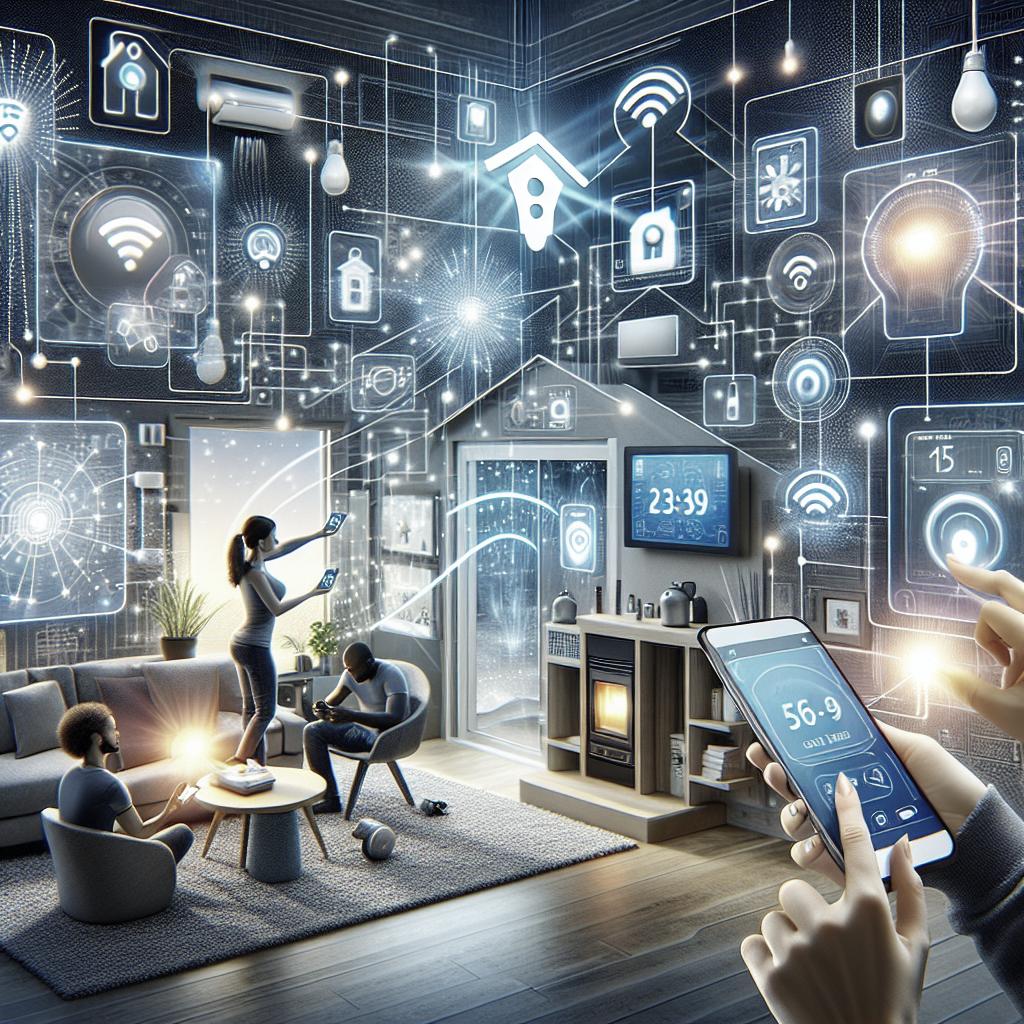
Home automation has come a long way since the introduction of basic remote-controlled appliances. In the early days, automation was limited to simple tasks like lights and thermostats. However, as technology advanced, so did the capabilities of home automation systems. Today’s smart homes are equipped with sensors, cameras, and connected devices that can be controlled remotely or through set routines, transforming once ordinary activities into seamless experiences.
The evolution of home automation was propelled by the miniaturization of technology and the introduction of wireless communication protocols. The surge in smartphone use provided an intuitive interface for controlling and managing smart home devices. This evolution has brought about a more connected, efficient, and easily managed living environment, setting the stage for what’s next with IoT.
Further advancements in cloud computing and artificial intelligence have played pivotal roles. These technologies have enabled real-time data processing and decision-making, paving the way for a new era of smart homes where devices communicate and learn from user behaviors, enhancing the overall living experience.
Key Technologies in AI and IoT Integration
At the heart of integrating IoT devices into smart homes are key technologies such as artificial intelligence (AI) and machine learning. AI provides the brains behind IoT systems, allowing devices to intelligently understand, predict, and respond to user demands. With machine learning algorithms, IoT devices can adapt to consumer preferences, optimize energy consumption, and anticipate potential issues before they occur.
Cloud computing plays a critical role in AI and IoT integration by offering scalability, flexibility, and storage solutions that are essential for handling the immense data generated by countless connected devices. Through cloud technology, complex computations are performed rapidly, enabling real-time data feed and decision-making.
Moreover, advancements in wireless connectivity, such as Wi-Fi 6 and 5G, have significantly enhanced the data transfer rates and reliability of IoT devices. These technologies ensure that smart home components remain seamlessly interconnected and responsive, even with numerous devices operating simultaneously.
Applications of AI and IoT in Home Automation
The fusion of AI and IoT manifests in several innovative applications within the realm of home automation. For instance, intelligent lighting systems adjust intensity based on time of day or occupancy, providing convenience and reducing energy consumption. Smart thermostats learn the homeowners’ schedule to optimize heating and cooling, enhancing comfort while lowering utility bills.
Security is another critical application where AI and IoT integration shines. Smart cameras and alarms with advanced facial recognition and machine learning capabilities can distinguish between family members, guests, and intruders, providing customized alerts and reducing false positives.
Voice-controlled assistants like Amazon Alexa, Google Assistant, and Apple’s Siri exemplify the seamless integration of AI and IoT. These devices can control various home automation solutions, from lighting to appliances, with simple voice commands, making the interaction between humans and technology more natural and intuitive.
Benefits of AI and IoT Integration in Smart Homes
The benefits of integrating AI and IoT in smart homes are extensive and multifaceted. One significant advantage is increased energy efficiency. By automating functions like lighting, heating, and cooling based on real-time data and usage patterns, households can significantly reduce energy consumption and lower their carbon footprint.
AI-driven IoT systems also enhance personal convenience and lifestyle customization. Smart homes can learn and adapt to a user’s preferences, automatically adjusting settings to create an ideal living environment. Additionally, remote monitoring and control capabilities offer peace of mind, allowing homeowners to manage their properties while away.
Furthermore, safety and security are greatly bolstered with AI and IoT. From smart doorbells to surveillance systems, these integrated solutions provide comprehensive insights and real-time alerts, enabling proactive action to potential threats. The peace of mind offered by these technologies is invaluable in today’s fast-paced world.
Future Directions in Smart Home Technology
As technologies continue to evolve, the future of smart home technology looks incredibly promising. One anticipated trend is the rise of interoperability standards that will allow devices from different manufacturers to communicate seamlessly. This development will create a more cohesive smart home ecosystem, providing users with an integrated experience.
Another exciting direction is the advancement of AI capabilities in emotional intelligence. Future smart homes may be able to detect the mood and emotions of occupants, adjusting environments such as lighting and sound to enhance well-being and productivity. These emotionally intelligent homes could redefine comfort and customization.
Blockchain technology is also expected to impact smart homes, providing secure and private data transfer across IoT devices. This technology could solve current privacy concerns, creating an ultra-secure network that ensures data integrity and user anonymity.
Conclusion
Through their continuous development and integration, IoT devices are revolutionizing smart homes by delivering unparalleled efficiency, convenience, and security. The amalgamation of AI and IoT has facilitated remarkable progress, positioning smart homes to become an essential part of modern living. As technology advances, we can expect even more groundbreaking innovations, leading to highly adaptive, responsive, and secure living environments. Whether you’re a tech enthusiast or a homeowner, embracing these advancements can enhance your quality of life and prepare you for the future.
| Section | Key Points |
|---|---|
| The Evolution of Home Automation | Transition from basic automation to sophisticated IoT systems; advancements in wireless protocols and smartphone integration. |
| Key Technologies in AI and IoT Integration | Role of AI and machine learning in IoT; importance of cloud computing and wireless connectivity advancements. |
| Applications of AI and IoT in Home Automation | Smart lighting, thermostats, security systems, and voice-controlled assistants. |
| Benefits of AI and IoT Integration in Smart Homes | Increased energy efficiency, personal convenience, and enhanced security. |
| Future Directions in Smart Home Technology | Interoperability standards, emotional intelligence in AI, blockchain for security. |
“`